
Introduction
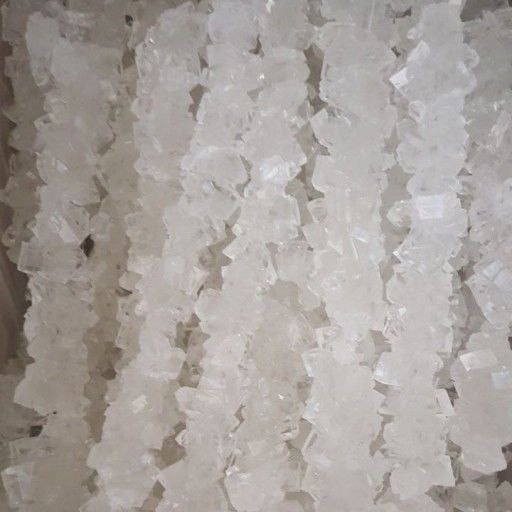
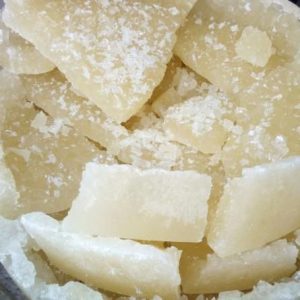
In the world of confectionery delights, few treats evoke a sense of nostalgia and wonder quite like rock candy. With its sparkling crystals and pure sweetness, rock candy has enchanted both the young and the young at heart for generations. From its ancient origins to its modern popularity, this timeless treat has left an indelible mark on our taste buds and our culture. In this article, we’ll take a delightful journey through the history, production, culinary uses, and the simple joys that rock candy brings to our lives.
The Ancient Origins of Sweet Crystals
The story of rock candy traces back thousands of years, reaching across various civilizations and cultures. Ancient records suggest that the Chinese were among the first to discover the art of crystallizing sugar. In fact, rock candy was initially used for medicinal purposes, as sugar was believed to have healing properties. As time passed, its appeal transitioned from remedy to confectionery delight, capturing the hearts of people around the world.
The Alchemy of Crystallization
At its core, rock candy is the result of a fascinating scientific process known as crystallization. To create rock candy, a saturated sugar solution is made by dissolving sugar in hot water. As the solution cools down, sugar molecules begin to gather and form crystals on a suspended string or stick. The gradual evaporation of water over time allows the crystals to grow, resulting in the iconic shimmering formations of rock candy.
Culinary and Cultural Uses
While rock candy’s primary allure lies in its sweetness, its uses extend beyond being a delightful treat:
1. Culinary Creativity: Rock candy can be used to add a touch of sweetness and texture to a variety of desserts, such as cakes, cupcakes, and cookies.
2. Stirring Sticks: Smaller pieces of rock candy can be used as stirring sticks for hot beverages, gradually infusing sweetness into drinks like tea or coffee.
3. Edible Decor: Larger rock candy formations can serve as edible decorations for themed parties, weddings, and special occasions.
4. Culinary Science: Rock candy making offers a playful way to introduce children to basic concepts of science and chemistry.
Colors, Flavors, and Innovations
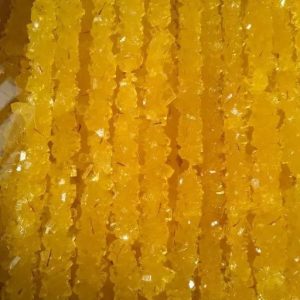
Traditional rock candy is usually clear or white, but the magic of modern confectionery has brought about a colorful array of options. With the addition of food coloring and flavoring, rock candy now comes in a kaleidoscope of hues and tastes, from vibrant blue raspberry to tropical fruit medleys. This variety has opened up new possibilities for using rock candy in creative culinary endeavors.
Nostalgia and Joy
For many, rock candy is more than just a sugary treat; it’s a sweet portal to childhood memories and cherished moments. The act of receiving or savoring a piece of rock candy can evoke feelings of nostalgia and simple joy. Whether it’s the thrill of choosing a favorite color or the delightful crunch of the crystals, rock candy has an innate ability to transport us to carefree times.
Global Variations of Crystal Confections
While rock candy might be the most recognizable form of crystallized sugar, similar treats are found in various cultures around the world:
– Persian Nabat: Nabat, a traditional crystallized sugar treat from Iran, is often served with tea or used to sweeten desserts.
– Japanese Amezaiku: Amezaiku is the Japanese art of creating intricate animal or character-shaped lollipops from colored, molten sugar.
– Indian Misri: Misri is a crystallized sugar commonly used in Indian cuisine for its sweetening properties and cooling effect.
Creating Homemade Rock Candy
Making rock candy at home can be a fun and educational experience. By following a few simple steps and exercising patience, you can create your own crystalline confections. This hands-on activity is not only an entertaining science experiment but also an opportunity to appreciate the process behind this beloved treat.
In Conclusion
Rock candy, with its shimmering crystals and uncomplicated sweetness, is a timeless confection that transcends generations. From its ancient origins to its place in modern culinary creativity, rock candy remains a symbol of simple joys and culinary wonder. Whether enjoyed on its own or as an ingredient in creative recipes, rock candy invites us to indulge in a little bit of magic, reminding us of the sweet moments that make life truly delightful.
Reviews
There are no reviews yet.