

Introduction
Figs, with their tender skin, luscious flesh, and enchanting taste, have been cherished for their unique flavor and nutritional benefits since ancient times. Revered by cultures across the world, figs have woven themselves into history, tradition, and culinary creativity. This article embarks on a journey to explore the origins, varieties, health advantages, culinary versatility, and cultural significance of these delightful fruits.
A Glimpse into the Past
Figs boast a history as rich as their flavor. Dating back to 9,000 years ago, figs are believed to be one of the first cultivated fruits. Originating in the Middle East and the Mediterranean region, figs were revered in ancient cultures such as those of Greece, Egypt, and Rome. Figs held a special place in mythologies, arts, and religious rituals, symbolizing fertility, abundance, and spiritual significance.
Diverse Varieties of Figs
The world of figs is graced with a wide array of varieties, each offering its unique taste, texture, and color. Some well-known fig types include:
1. Black Mission Figs: These figs feature a deep purple-black skin and a sweet, earthy flavor. They’re often enjoyed fresh or dried.
2. Calimyrna Figs: Known for their distinct nutty flavor, Calimyrna figs are pale green on the outside and boast a golden hue on the inside.
3. Brown Turkey Figs: With their brownish-purple skin and sweet taste, Brown Turkey figs are a popular choice for both fresh consumption and culinary creations.
4. Kadota Figs: Kadota figs are green and slightly milder in flavor, making them a versatile choice for cooking and snacking.
Nutrient-Rich Goodness of Figs
Figs are a treasure trove of nutrients, offering a multitude of health benefits. A 100-gram serving of fresh figs provides:
– Calories: Approximately 74 calories
– Dietary Fiber: About 2.9 grams
– Natural Sugars: Around 16 grams
– Vitamins and Minerals: Including potassium, calcium, magnesium, and vitamins A and K
– Antioxidants: Figs are rich in antioxidants like polyphenols, which combat oxidative stress and inflammation.
Health Advantages of Figs
1. Digestive Health: The high fiber content in figs supports healthy digestion and aids in preventing constipation.
2. Heart Health: Figs’ potassium content helps regulate blood pressure, contributing to overall cardiovascular well-being.
3. Bone Health: The combination of calcium and vitamin K in figs is essential for maintaining strong bones.
4. Weight Management: The fiber in figs promotes satiety, helping control appetite and aiding in weight management.
5. Diabetes Management: Figs’ natural sugars, combined with fiber, can help stabilize blood sugar levels when consumed in moderation.
6. Skin Health: The antioxidants in figs contribute to healthy skin by combating free radicals and promoting a radiant complexion.
Culinary Wonders of Figs
Figs’ appeal extends beyond their nutritional benefits, as they lend themselves to a plethora of culinary creations:
1. Fresh Indulgence: Enjoy figs on their own, sliced over yogurt, or paired with cheese for a delectable appetizer.
2. Sweet Treats: Incorporate figs into desserts like tarts, cakes, and jams to infuse a unique sweetness.
3. Savory Harmony: Figs’ natural sweetness balances well with savory dishes, making them an excellent addition to salads, flatbreads, and roasted meats.
4. Preserves and Chutneys: Create preserves, jams, and chutneys using figs to preserve their flavors and enhance various dishes.
Cultural Symbolism and Traditions
Figs have held cultural significance in various societies throughout history. In ancient Greece, figs were considered sacred to Demeter, the goddess of agriculture. In some cultures, figs were associated with fertility, and fig trees were seen as symbols of abundance and prosperity.
Sustainable Delight: Dried Figs
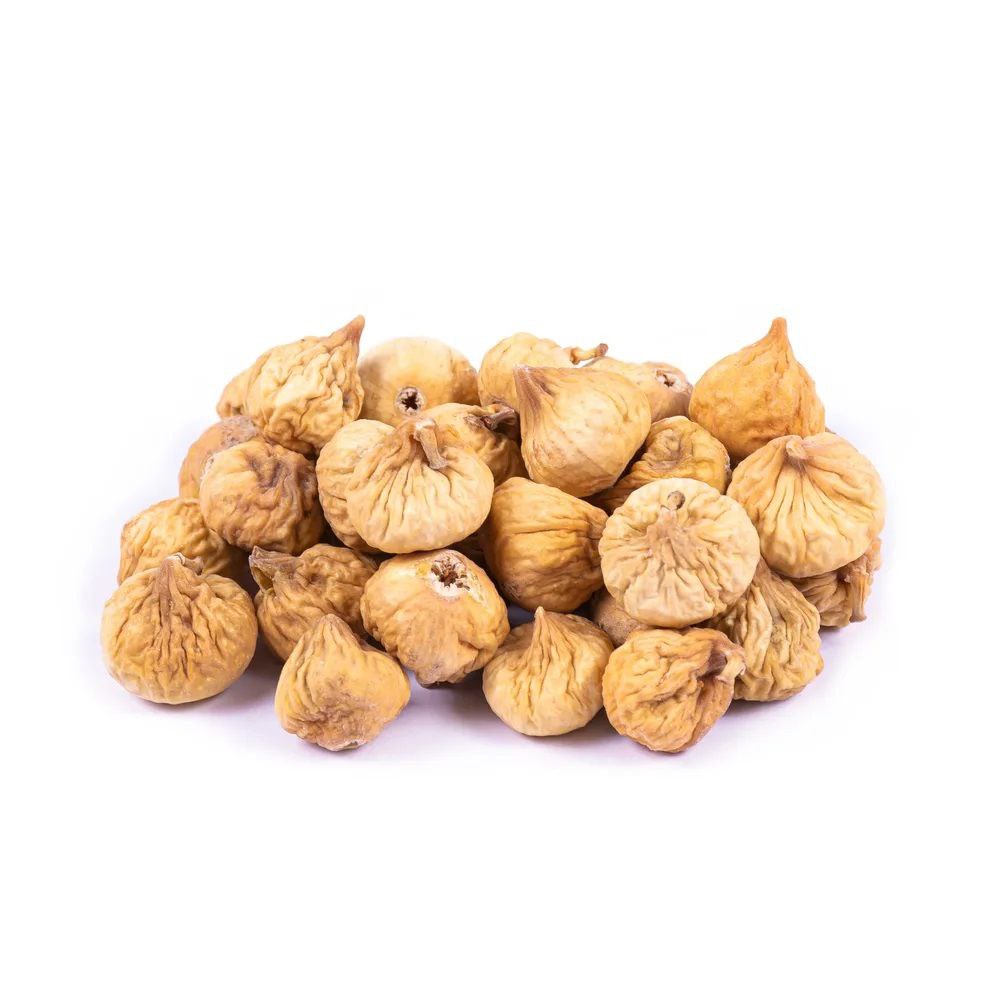
Dried figs are a testament to the exquisite transformation that occurs when figs are naturally preserved. By removing moisture, dried figs intensify in flavor, and their natural sweetness becomes more concentrated. Dried figs are not only a delectable treat but also a sustainable option, as they have a longer shelf life compared to fresh figs.
In Conclusion
Figs, with their rich history, diverse varieties, and nutritional richness, stand as nature’s gift to our senses and well-being. From their origins in ancient civilizations to their presence in modern culinary masterpieces, figs continue to captivate our taste buds and nourish our bodies. Whether enjoyed fresh, dried, or incorporated into savory and sweet creations, figs offer a symphony of flavors that resonate across cultures and generations. As we relish the delicate sweetness of this remarkable fruit, we partake in a tradition that spans time and culture, celebrating the wonder that nature provides.


Reviews
There are no reviews yet.