

Introduction
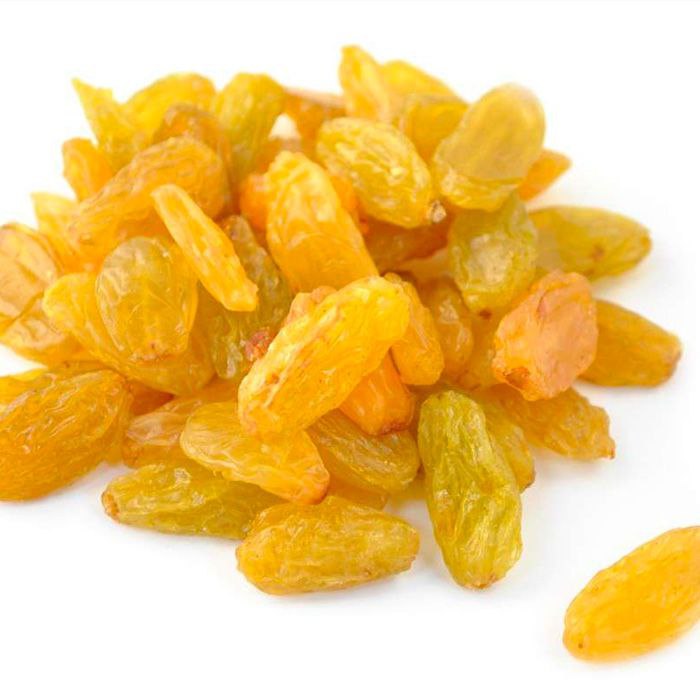
Raisins, those small, wrinkled, and irresistibly sweet dried fruits, have been cherished by cultures around the world for centuries. With their unique flavor, versatility, and remarkable health benefits, raisins have secured their place in our kitchens and hearts. This article embarks on a journey to explore the origins, nutritional richness, culinary applications, cultural symbolism, and the age-old tradition of raisins that continues to enrich our lives.
A Glimpse into the Past
Raisins have a history as ancient as their delectable taste. Drying grapes to create raisins is one of the oldest methods of preserving fruit. The origins of raisin production can be traced back thousands of years to the Middle East and the Mediterranean region. Raisins held immense value in ancient cultures due to their long shelf life, portability, and concentrated sweetness, making them an ideal source of sustenance for travelers and explorers.
From Vine to Raisin: The Drying Process
The journey from fresh grapes to plump raisins is a meticulous process that involves sun drying or mechanical drying. Traditionally, grapes are laid out in the sun to dry, allowing the natural heat and air to remove the moisture. In modern production, mechanical dryers are used to expedite the drying process. The result is a transformation of the grape’s flavor and texture, concentrating its natural sugars and flavors.
Nutritional Powerhouses of Raisins
Despite their diminutive size, raisins are bursting with essential nutrients that contribute to overall health and well-being. A one-ounce (approximately 28 grams) serving of raisins contains:
– Calories: Around 85 calories
– Dietary Fiber: Approximately 1.6 grams
– Natural Sugars: About 22 grams
– Vitamins and Minerals: Including potassium, iron, and antioxidants like vitamin C and vitamin K
Health Benefits of Raisins
1. Digestive Health: The fiber content in raisins supports healthy digestion and helps prevent constipation.
2. Bone Health: Raisins’ calcium and boron content contributes to maintaining strong bones and preventing bone-related issues.
3. Heart Health: The potassium in raisins helps regulate blood pressure, while antioxidants contribute to overall cardiovascular well-being.
4. Energy Boost: Raisins provide a quick and natural source of energy due to their natural sugars.
5. Antioxidant Protection: Raisins’ antioxidants combat oxidative stress, potentially reducing the risk of chronic diseases.
6. Iron Source: Raisins are a non-heme source of iron, supporting red blood cell production and preventing iron deficiency anemia.
Culinary Versatility of Raisins
Raisins’ culinary applications span from breakfast to dessert and everything in between:
1. Baking Brilliance: Raisins are classic ingredients in baked goods like bread, muffins, cookies, and cakes, adding sweetness and texture.
2. Salad Elevation: Sprinkle raisins over salads to introduce a burst of sweetness and a contrasting texture.
3. Couscous and Rice: Incorporate raisins into grain dishes like couscous and rice to infuse a touch of sweetness and complexity.
4. Nutty Trail Mixes: Combine raisins with nuts, seeds, and other dried fruits to create a wholesome and satisfying trail mix.
5. Oatmeal and Yogurt: Elevate your morning oatmeal or yogurt by stirring in raisins for natural sweetness and added flavor.
Cultural Symbolism and Traditions
Raisins hold cultural significance in various societies and traditions. In some cultures, raisins are associated with abundance and prosperity due to their sweetness and the way they plump up during the drying process. They are often included in festive dishes and celebrations to symbolize a fruitful and bountiful life.
From Sweets to Savories: Global Influence
While raisins are widely celebrated as a sweet snack and baking ingredient, they are also featured in savory dishes in various cuisines:
– Moroccan Tagines: Raisins are a common ingredient in Moroccan tagines, adding a touch of sweetness to the rich and aromatic stews.
– Indian Cuisine: Raisins are often used in Indian rice dishes like biryani, where they lend a delicate sweetness and contrast to the savory flavors.
– European Cuisine: Raisins are integral to dishes like British mince pies and Italian panettone, showcasing their diverse culinary applications.
In Conclusion
Raisins, with their ancient history, nutritional richness, and culinary versatility, stand as nature’s sweet and enduring gift. From their humble beginnings on vines to their transformation into plump, dried gems, raisins have transcended time and culture. Whether enjoyed as a snack, an ingredient in recipes, or a symbol of tradition, raisins remind us of the simple pleasures that nature provides. As we relish their sweetness, we embrace the tradition and vitality that raisins bring to our lives, enriching both our taste buds and our hearts.
Reviews
There are no reviews yet.